
Introduction
Travel is often associated with extroverted personalities—crowded attractions, bustling group tours, and nonstop socializing. But what about introverts? For those who recharge in solitude and prefer meaningful one-on-one interactions over large social gatherings, the idea of travel can feel overwhelming. However, introverts can and should travel—on their own terms.
Introversion is not about avoiding people; it’s about managing energy. While extroverts feel invigorated by social interactions, introverts recharge through quiet moments and personal reflection. Ambiverts, who fall somewhere in between, may enjoy social experiences but also require alone time to reset. Understanding these tendencies is key to planning fulfilling trips that balance adventure with self-care.
Travel offers countless benefits for introverts, from personal growth to cultural immersion. It provides a chance to step out of daily routines, embrace new perspectives, and even enjoy social settings in a way that feels natural. The key is to structure travel in a way that allows for both connection and restoration—whether it’s through small group tours, quiet morning walks, or choosing off-peak dining experiences.
In this guide, I’ll share seven strategies to help introverts and ambiverts design vacations that are enjoyable, enriching, and energizing.
Why Travel is Valuable for Introverts:
Travel provides personal growth and new experiences.
Even social interactions can be fulfilling when approached mindfully.
The flexibility of travel allows introverts to tailor experiences to their energy needs.
7 Techniques for Enjoyable Travel as an Introvert:
1. Choose Small Group Tours & Experiences
– Avoid overwhelming crowds while still engaging in enriching experiences.
2. Schedule Quiet Moments in your Itinerary
– Plan early morning/evening walks for solitude and reflection.
3. Be Strategic with Social Situations
– If traveling in a large group (e.g., cruise or retreat), identify opportunities for alone time (spa days, quiet lounges, or poolside relaxation when others are on excursions).
4. Dine at Off-Peak Hours
– Enjoy a peaceful meal with great service and fewer crowds.
5. Use Noise-Canceling Accessories
– Headphones and books can create personal space even in bustling environments.
6. Book Accommodations with Private Spaces
– A room with a balcony, a boutique hotel, or an Airbnb can provide a quiet retreat.
7. Honor Your Needs Without Guilt
– Prioritize self-care and communicate when you need downtime.


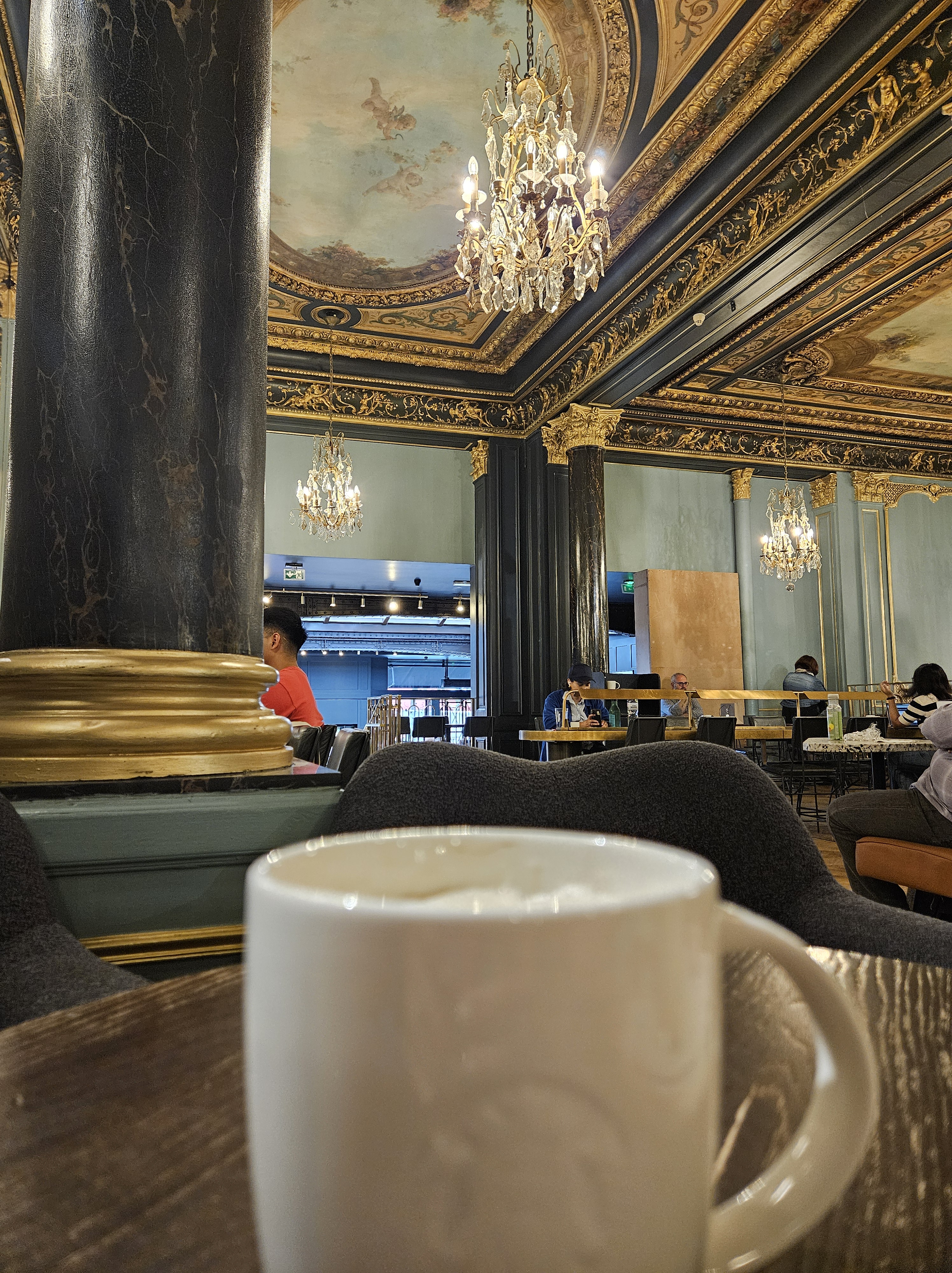
Conclusion
Travel isn’t just for extroverts—introverts and ambiverts can thrive when they approach it in a way that respects their need for balance. By planning with balance in mind, travel can be both enjoyable and rejuvenating for introverts.
Research suggests that introverts are well-suited for travel in ways that often go unrecognized. Studies on personality and travel behavior highlight that introverts tend to be highly observant, reflective, and adaptable qualities that enhance cultural appreciation and deep, meaningful experiences. Additionally, research on outdoor recreation and solo travel challenges the notion that introverts avoid adventure, showing that they often seek out nature, immersive experiences, and self-guided exploration as ways to recharge while traveling.
By embracing their natural tendencies and planning with intention, introverts can enjoy the best of both worlds—new experiences and the comfort of solitude—without sacrificing their well-being.
 Wandering Together
Leave a comment